Maintaining a comfortable indoor temperature is important for homes, offices and commercial buildings. A reliable Air conditioning contractor can help you choose suitable cooling equipment, arrange professional installation and keep existing systems operating effectively. Whether you are planning a new project or need assistance with an air conditioning fault, understanding your options can help you make the right decision. Air conditioning requirements differ from one property to another. Room size, insulation, ventilation, sunlight exposure and the number of occupants all influence the type of equipment needed. A proper assessment helps identify a practical solution instead of relying on guesswork.
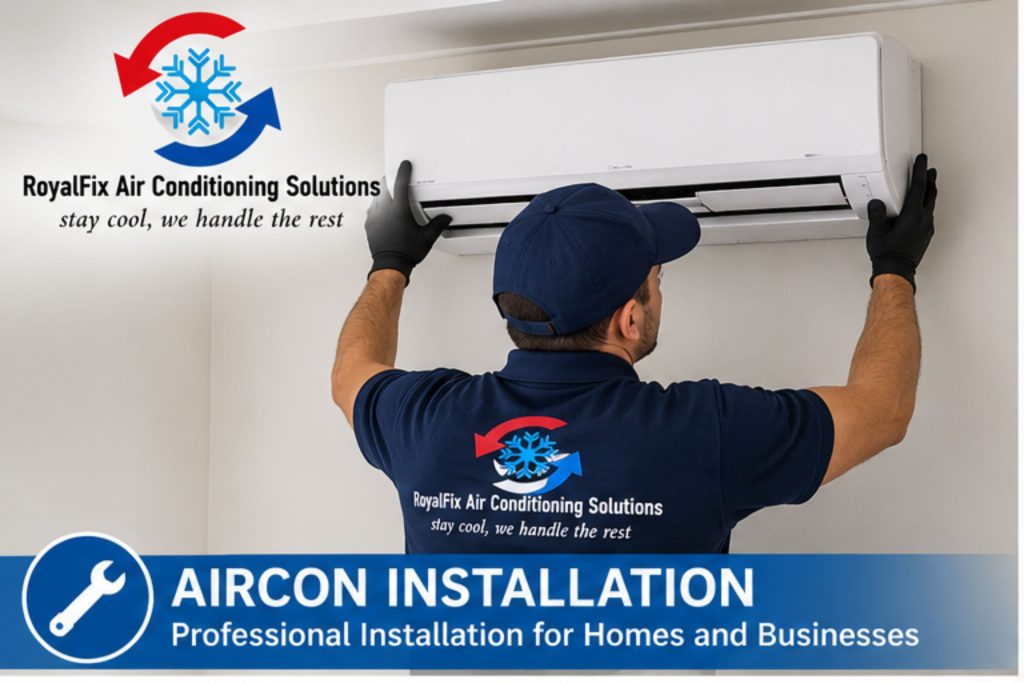
Air Conditioning Installation Services
Correct installation is essential for reliable cooling and long-term equipment performance. The system must be appropriately sized, positioned correctly and connected according to the manufacturer’s specifications. Drainage, electrical requirements and access for future maintenance should also be considered.
An experienced Air conditioning contractor can assess your property and recommend suitable installation options based on the layout and intended use of the space.
Installation work may include:
Split air conditioning unit installation.
Replacement of existing air conditioning equipment.
Cooling systems for homes and apartments.
Air conditioning for offices and commercial premises.
Indoor and outdoor unit positioning.
Pipework, drainage and installation checks.
System testing after the installation is completed.
Before work begins, request a quotation that explains the proposed work, equipment requirements, labour costs and any additional materials.
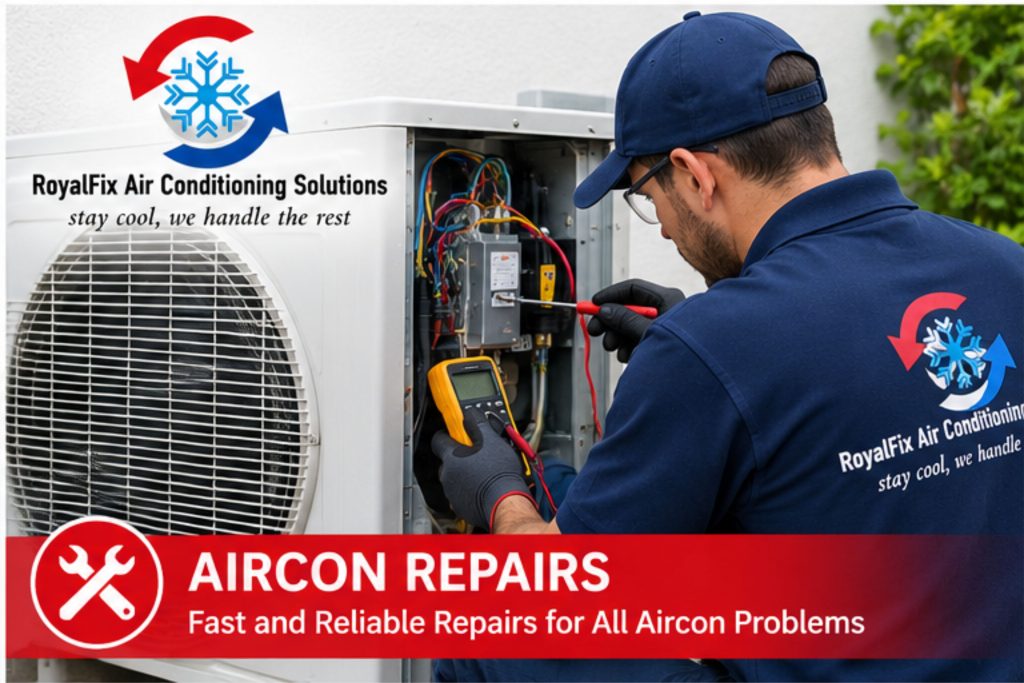
Air Conditioner Repairs and Fault Diagnosis
An air conditioner may develop problems that affect its cooling performance, reliability or electricity consumption. Common warning signs include warm air from the vents, unusual noises, water leaks, unpleasant odours and repeated shutdowns.
These symptoms can have different causes. For example, restricted airflow may result from dirty filters, while a drainage fault can cause water to collect around the indoor unit. Electrical and refrigerant-related faults require appropriate technical assessment.
When you contact an Air conditioning contractor, describe the symptoms and explain whether the unit has stopped working completely or is still providing some cooling. This information can help guide the initial inspection.
A proper diagnosis should identify the likely cause, explain the recommended repair and clarify the expected cost before additional work is authorised.
Routine Maintenance and System Servicing
Regular maintenance helps preserve air conditioning performance and can identify problems before they lead to costly breakdowns. Dust, blocked filters and restricted drainage can affect airflow and reduce the system’s ability to maintain a comfortable temperature.
Depending on the equipment, servicing may involve cleaning filters, inspecting accessible components, checking drainage, examining electrical connections and testing the unit’s operation. More detailed maintenance may be necessary where the system operates for long periods or is exposed to dusty conditions.
Working with an Air conditioning contractor for planned maintenance can help you keep track of servicing requirements and address developing faults. The appropriate service interval depends on the manufacturer’s guidance, equipment usage and the surrounding environment.
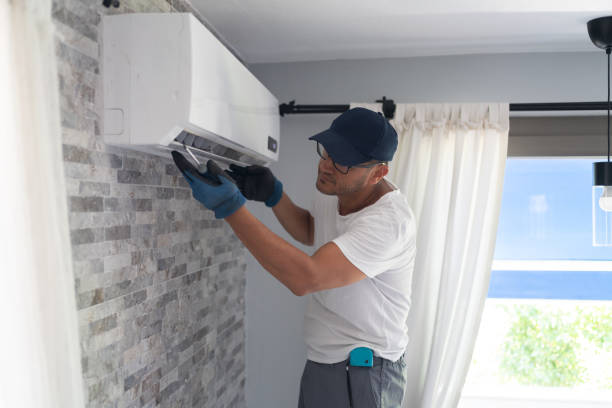
Residential Air Conditioning Solutions
Every home has different cooling requirements. A small bedroom may need a different unit from a large living room or an open-plan area. Choosing equipment based only on price can lead to inadequate cooling or unnecessary energy consumption.
Before installing a system, consider the room dimensions, ceiling height, insulation, window placement and direct sunlight. You should also think about noise levels, preferred temperature settings and the location of the outdoor unit.
A suitable assessment helps determine the required cooling capacity and the best position for the equipment. A professional Air conditioning contractor can explain the available options and help you understand the installation work involved.