Installing an air conditioner correctly helps you maintain comfortable indoor temperatures and enjoy reliable system performance. However, choosing the right equipment is only the first step. You also need proper positioning, suitable connections and thorough system testing.Professional Air conditioning installers help homeowners and businesses set up cooling systems that match their properties. Whether you need a unit for a bedroom, living area, office or commercial building, the installation process should meet the equipment manufacturer’s specifications.
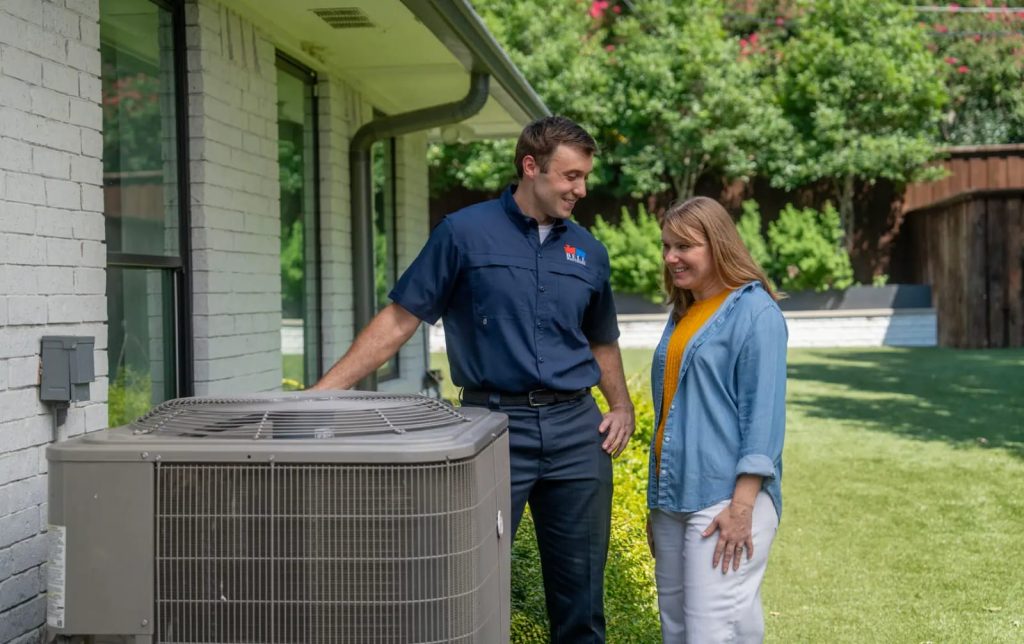
Air Conditioning Installation Services
Every property has different cooling requirements. For example, a homeowner may need one wall-mounted unit, while a business may require several systems across different rooms.
Installation services may include:
Mounting indoor air conditioning units.
Positioning outdoor condenser units.
Installing refrigerant pipework.
Connecting condensate drainage.
Fitting suitable mounting brackets.
Coordinating the required electrical connections.
Testing the system after installation.
Explaining basic operation and maintenance.
Before starting the work, the installer should inspect the property and explain the proposed installation. This also gives you an opportunity to confirm the equipment, materials and quotation.
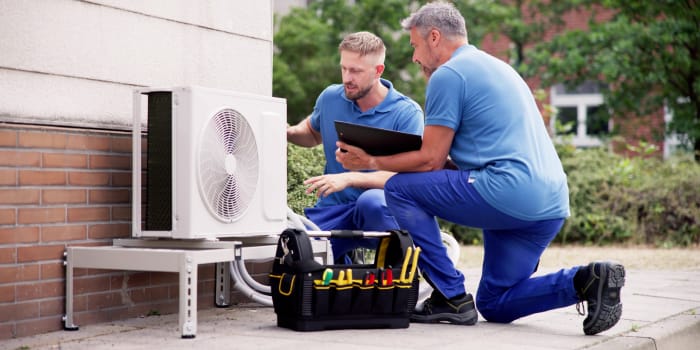
Split Unit Air Conditioner Installation
Split air conditioning systems remain a popular choice for homes and commercial premises. Each system has an indoor unit that distributes cool air and an outdoor condenser that releases heat.
The indoor unit needs a suitable position to distribute air throughout the room. Meanwhile, the outdoor unit requires a stable mounting surface, sufficient ventilation and convenient maintenance access.
Experienced Air conditioning installers follow the manufacturer’s instructions when mounting and connecting these components. Proper positioning also helps prevent unnecessary pipework and installation complications.
Installing Multiple Air Conditioning Units
Some properties need cooling in several rooms. Bedrooms, offices and living areas may have different temperature requirements. Therefore, each room needs suitable equipment and an appropriate installation position.
A multi-split system may also provide a practical option. This arrangement connects several compatible indoor units to one outdoor unit.
Before proceeding, consider:
The cooling requirements of each room.
Available positions for outdoor units.
Refrigerant pipework distances.
Suitable drainage routes.
Electrical supply capacity.
Access for future cleaning and maintenance.
By considering these details early, you can avoid unnecessary changes during the installation.

Proper Positioning of Indoor and Outdoor Units
The position of an air conditioner affects airflow, accessibility and convenience. Indoor units need enough space to circulate air effectively. In addition, avoid placing furniture, cupboards or curtains where they could obstruct airflow.
Outdoor units also need careful positioning. Choose a stable location with adequate ventilation and enough space for servicing. Furthermore, consider noise, vibration and exposure to weather when selecting the position.
Good placement helps your system operate under the conditions that the manufacturer recommends.
Residential and Commercial Installations
Homes and business premises have different installation requirements. Residential customers may need cooling in bedrooms, lounges and open-plan living spaces. Commercial customers may require units for offices, meeting rooms, retail areas and other workplaces.
Air conditioning installers should consider how the building is used before deciding on equipment positions and installation arrangements.
For businesses, scheduling may also be important. Installation work can be planned around operating hours where practical, helping reduce disruption to staff and customers.
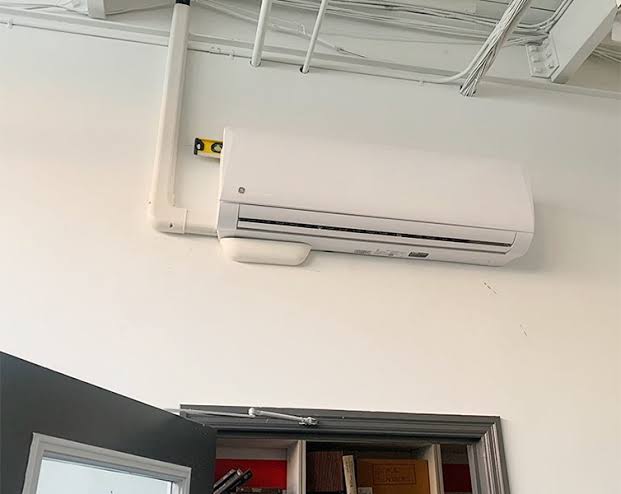
Testing and Handover After Installation
Mounting the equipment does not complete the job. The installer must also carry out the appropriate checks before handing over the system.
These checks may include:
Inspecting refrigerant pipework and connections.
Checking that condensate drainage works correctly.
Verifying electrical connections and protection.
Completing the required refrigerant circuit tests.
Testing cooling operation and airflow.
Confirming that the controls operate correctly.
After completing the checks, the installer should explain how to operate the system. You should also learn how to clean the filters, use the remote control and arrange routine maintenance.