An effective air conditioning system requires more than selecting a unit and switching it on. Building layouts, cooling loads, ventilation, electrical requirements and equipment performance all influence how well a system operates. Property owners searching for Air conditioning engineers pretoria need solutions that consider both immediate cooling requirements and long-term system performance.Air conditioning engineering involves evaluating indoor environments and determining suitable ways to control temperature and air movement. This work can support new building projects, existing property upgrades and improvements to underperforming cooling systems.

Understanding Air Conditioning Engineering
Air conditioning engineering focuses on the technical design, assessment and operation of heating, ventilation and air conditioning systems. The objective is to create indoor conditions that meet the requirements of a particular building.
Depending on the project, technical work may involve:
Assessing building cooling and heating loads.
Evaluating room dimensions and building layouts.
Selecting suitable air conditioning equipment.
Planning refrigerant pipework and drainage routes.
Reviewing ventilation and airflow requirements.
Considering energy consumption and operating costs.
Evaluating existing system performance.
These factors help determine whether a proposed system can meet the building’s requirements.
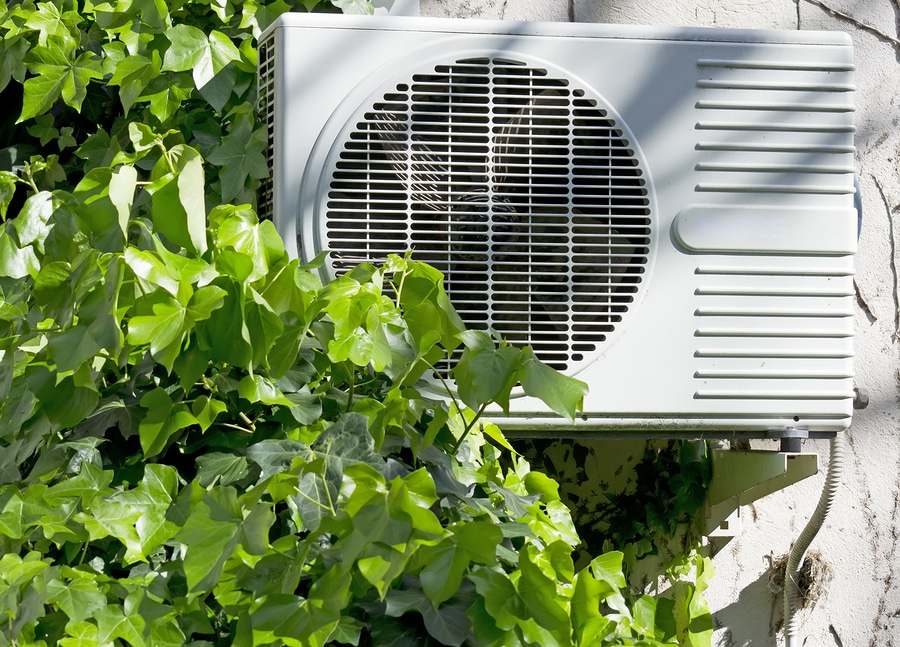
HVAC System Design and Planning
Every building has unique characteristics. A residential property may need individual room cooling, while a commercial building could require a coordinated system serving several occupied spaces.
When planning Air conditioning engineers pretoria projects, the design process should consider the building’s purpose, occupancy levels, heat sources and expected operating conditions.
Cooling Load Calculations
Cooling load calculations help estimate how much cooling a space requires. Important factors include room size, window exposure, insulation, occupancy and heat generated by lighting or equipment.
Selecting equipment without considering these factors can result in poor temperature control or unnecessary energy consumption.

Commercial Air Conditioning Engineering
Commercial buildings often have complex cooling requirements. Offices, retail centres, restaurants and industrial premises may contain several spaces with different occupancy patterns and heat loads.
Technical assessments can help identify suitable cooling arrangements for these environments. Important considerations include:
Building size and internal layout.
Number of occupants.
Heat produced by machinery and electronic equipment.
Operating hours and seasonal demand.
Ventilation requirements.
Access for servicing and repairs.
Energy efficiency and running costs.
A properly assessed commercial system can provide more consistent indoor conditions while helping property managers plan operating expenses.